Cultural nuances How gambling varies across different societies
Understanding Gambling in Western Cultures
In many Western societies, gambling is often viewed as a form of entertainment rather than a vice. Countries like the United States and the United Kingdom have established comprehensive legal frameworks surrounding gambling, which include casinos, lotteries, and sports betting. For example, Las Vegas has become synonymous with gambling, featuring a vibrant casino culture that attracts millions of visitors annually. This acceptance reflects a societal attitude that embraces risk and reward as part of recreational activities. Many enthusiasts also explore various strategies for specific games, which can enhance their experience, just like engaging in casino monopoly live adds another layer of excitement.
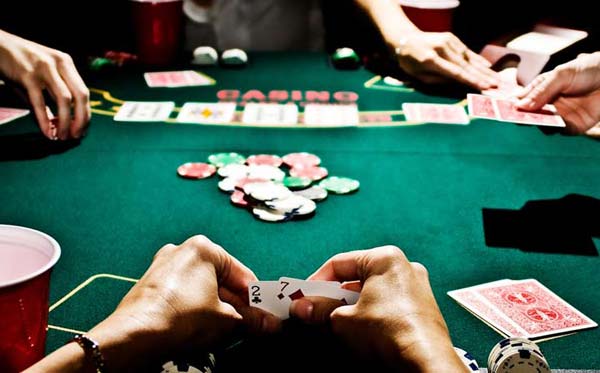
Moreover, gambling is frequently associated with social gatherings and events. In Western contexts, games such as poker and blackjack are commonly played in both formal casinos and informal home settings. The communal aspect of these games fosters a sense of camaraderie, where players bond over shared experiences, whether they win or lose. This dynamic contributes to a culture that sees gambling as an integral component of leisure and social interaction.
However, it is essential to note the rise of responsible gambling initiatives in Western nations. As gambling becomes more prevalent, so too does the awareness of its potential pitfalls, leading to the establishment of support systems for those struggling with addiction. This duality illustrates the complexity of gambling in these societies, combining enjoyment with a heightened sense of responsibility towards the potential negative impacts.
The Role of Gambling in Asian Societies
In contrast, gambling occupies a different space in many Asian cultures, where it often intertwines with tradition and spirituality. Countries such as China have a long history of gambling, particularly associated with cultural festivities and celebrations. For instance, during the Lunar New Year, playing games of chance is a common practice believed to bring good fortune for the year ahead. This cultural significance adds layers of meaning to gambling that go beyond mere entertainment.
Additionally, the popularization of games like mahjong and the emergence of mega-casinos in regions such as Macau exemplify how gambling is both a leisure activity and a significant economic driver. The lavish architecture and intricate themes of these establishments attract not just gamblers but also tourists seeking cultural experiences. Here, gambling acts as a bridge that connects different facets of society, including tourism, local customs, and economic growth.
However, like in Western cultures, Asian societies are becoming increasingly aware of the risks associated with gambling. Governments are implementing regulations to mitigate gambling addiction, emphasizing the need for responsible gaming practices. This evolution indicates a growing recognition of gambling’s complexity, merging cultural traditions with modern considerations of health and well-being.
Gambling and Its Cultural Significance in Indigenous Societies
Indigenous cultures around the world exhibit unique perspectives on gambling that are often deeply rooted in their traditions and spiritual beliefs. For many Indigenous communities, games of chance are not merely about winning or losing but serve as rituals that reinforce social bonds and communal identities. For example, traditional games involving dice or cards can symbolize the connection to ancestors and the spiritual world, elevating the act of gambling beyond a simple pastime.
The significance of gambling in these communities can also be seen during social gatherings, where games are played to commemorate important events or to reinforce community cohesion. Such practices emphasize storytelling and the passing down of knowledge, ensuring that gambling remains a meaningful aspect of their culture. Furthermore, these games often involve elements of strategy and skill, showcasing the ingenuity and creativity of Indigenous peoples.
However, the introduction of commercial gambling has led to conflicts within Indigenous communities. While some embrace the economic opportunities presented by casinos, others express concerns about the potential erosion of traditional practices and values. This tension illustrates the complexities of integrating modern gambling practices with age-old customs, raising important questions about identity, autonomy, and cultural preservation.
The Impact of Gambling on Family Dynamics
Gambling can significantly affect family dynamics across different cultures, often leading to both positive and negative outcomes. In many societies, particularly Western ones, gambling activities can serve as a bonding experience among family members. Shared experiences, such as playing games or visiting casinos together, can strengthen relationships and create lasting memories. In this context, gambling is often seen as a fun family activity, reinforcing social ties within the family unit.
On the flip side, the darker side of gambling emerges when it leads to financial difficulties, addiction, and strain on familial relationships. Many families face challenges when a member’s gambling behavior spirals out of control, leading to conflict and emotional distress. In certain cultures, this aspect is particularly sensitive, as the repercussions of gambling can touch upon notions of honor and familial reputation. Support systems are crucial in these instances, and families often seek external help to navigate the complexities associated with gambling.
Additionally, cultural attitudes towards gambling can shape how families deal with these challenges. In some societies, open discussions about gambling addiction and financial problems are stigmatized, making it difficult for families to seek help. Conversely, in cultures that promote transparency and communal support, families may be more willing to address issues and find solutions together. This diversity in perspectives highlights the need for culturally sensitive approaches to gambling-related challenges within family contexts.

Exploring Our Website
Our website aims to serve as a comprehensive resource for understanding the intricate cultural nuances surrounding gambling across different societies. By providing in-depth articles and analyses, we hope to foster a deeper appreciation for the diverse ways gambling is perceived and practiced worldwide. Our content delves into various aspects of gambling, including its historical significance, social implications, and evolving practices within communities.
Moreover, we strive to create a platform where individuals can share their experiences and insights, contributing to a richer dialogue around gambling culture. Through engaging discussions and informative resources, we aim to empower readers to reflect on their own views and practices regarding gambling, whether they belong to a particular culture or are simply interested in the topic. Join us in exploring this fascinating subject that intertwines fun, tradition, and societal complexities.