Exploring the psychology of gamblers and its impact on gaming behaviors
The Intrinsic Motivations of Gamblers
Understanding the intrinsic motivations behind gambling is crucial in exploring the psychology of gamblers. Many individuals are drawn to gaming for various reasons, including the thrill of risk-taking, the opportunity for social interaction, and the potential for financial gain. This allure often leads players to engage in gaming behaviors that can become compulsive. Their motivations may start innocently, often centered around enjoyment, but can evolve into deeper psychological needs, such as escapism or validation.
The excitement of winning can create a powerful feedback loop, reinforcing gambling behavior. This cycle becomes even more pronounced when players experience near misses, which can lead to irrational beliefs about their chances of winning. The psychological effects of these experiences can drive individuals to chase losses, perpetuating a cycle of gambling that is difficult to break.
The Role of Environment in Gambling Behavior
The environment in which gambling occurs significantly influences behaviors and decision-making. Traditional casinos are often designed to be enticing, leveraging sensory elements such as music, lighting, and decor to create an immersive experience. These spaces promote a sense of excitement, encouraging players to stay longer and gamble more. The atmosphere can amplify emotions associated with both winning and losing, which can lead to more impulsive decisions.
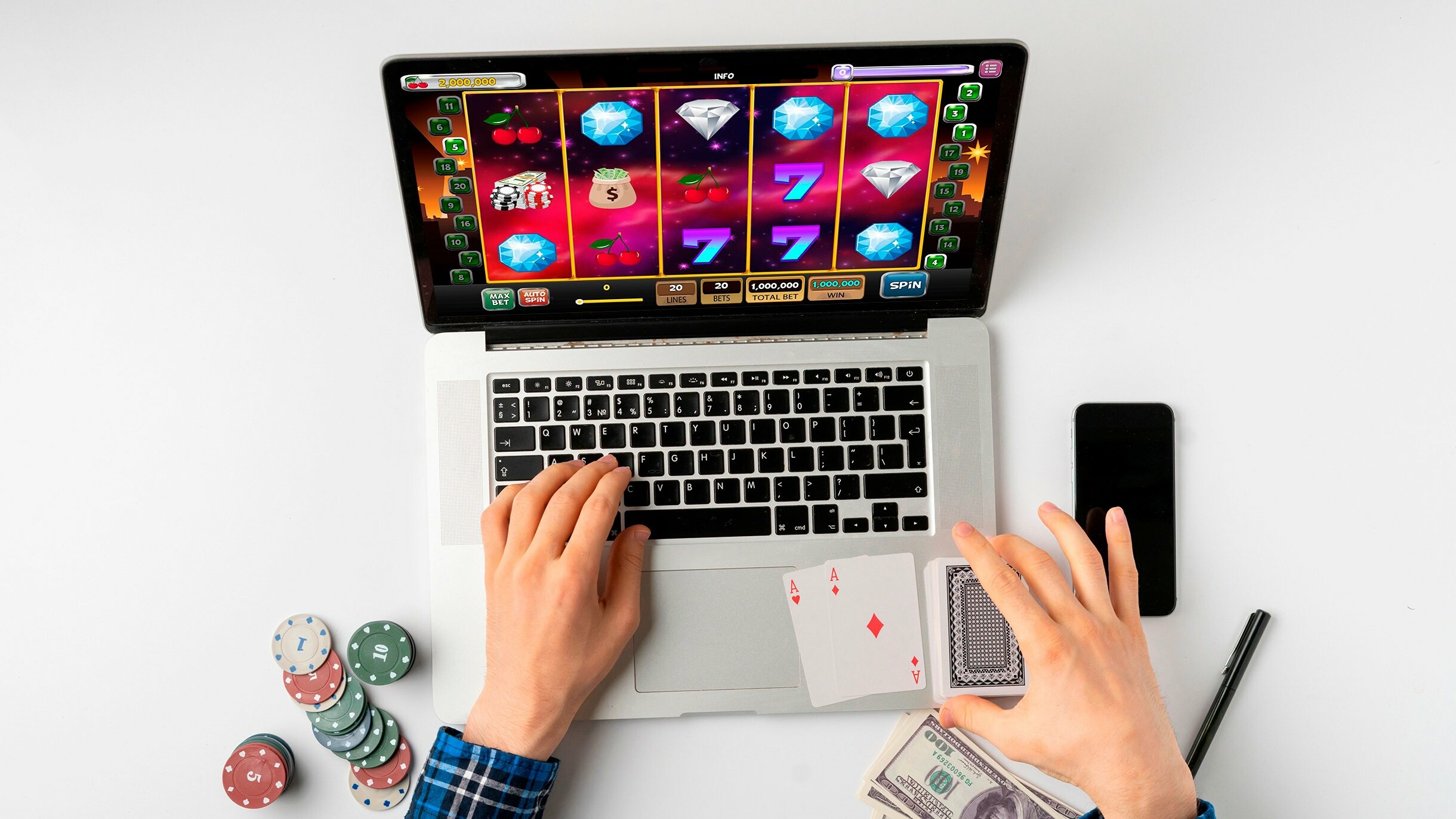
Online gambling platforms, such as those found at top online casinos australia real money, have adopted similar psychological principles to attract users. The use of engaging interfaces, promotional offers, and user-friendly navigation mimics the stimulation of physical casinos, shaping players’ behaviors and expectations. This shift has made it critical to explore how these environments manipulate player psychology in distinct ways.
Addiction and Compulsive Gambling
One of the most concerning aspects of gambling psychology is the potential for addiction. Compulsive gamblers often find themselves trapped in a cycle of chasing losses and feeling compelled to gamble, even when they understand the negative repercussions. Various psychological factors, such as anxiety, depression, or personal trauma, may contribute to these compulsive behaviors. Understanding the interplay between these factors and gambling can offer insights into prevention and treatment.

Awareness of gambling addiction has led to the development of support systems and interventions aimed at assisting those affected. Treatments may include cognitive-behavioral therapy to help modify destructive thought patterns or support groups that foster open discussions about experiences and recovery. However, many challenges remain in addressing this public health concern, given the pervasive nature of gambling in modern society.
Gambling behavior does not only affect the individual but also has broader social implications. The normalization of gambling, particularly in various forms of media and advertising, contributes to a perception that gambling is a harmless form of entertainment. This misconception can lead to an increase in gambling participation, particularly among younger and vulnerable demographics. Social attitudes toward gambling are shifting, reflecting changing perceptions of risk and reward.
Moreover, the impact of gambling on relationships and community structures cannot be overlooked. Family and friends often bear the brunt of a gambler’s choices, facing emotional and financial strain. Communities may also experience increased crime or economic decline as gambling habits spiral out of control, further emphasizing the need for responsible gaming initiatives and public education.
Conclusion: Navigating the World of Gambling Psychology
Recognizing the complexities of gambling psychology and the various factors that influence gaming behaviors is essential for fostering a more informed approach to gambling. By understanding motivations, environmental influences, and the potential for addiction, stakeholders can better address the challenges associated with gambling. A balance must be struck between enjoying responsible gaming and recognizing when gambling crosses the line into detrimental behavior.
As the gambling industry continues to evolve, so too must our understanding of the psychological elements at play. As you explore various gaming options, including those at reputable sites, consider the importance of making informed choices that promote healthy gaming experiences and mitigate potential risks.